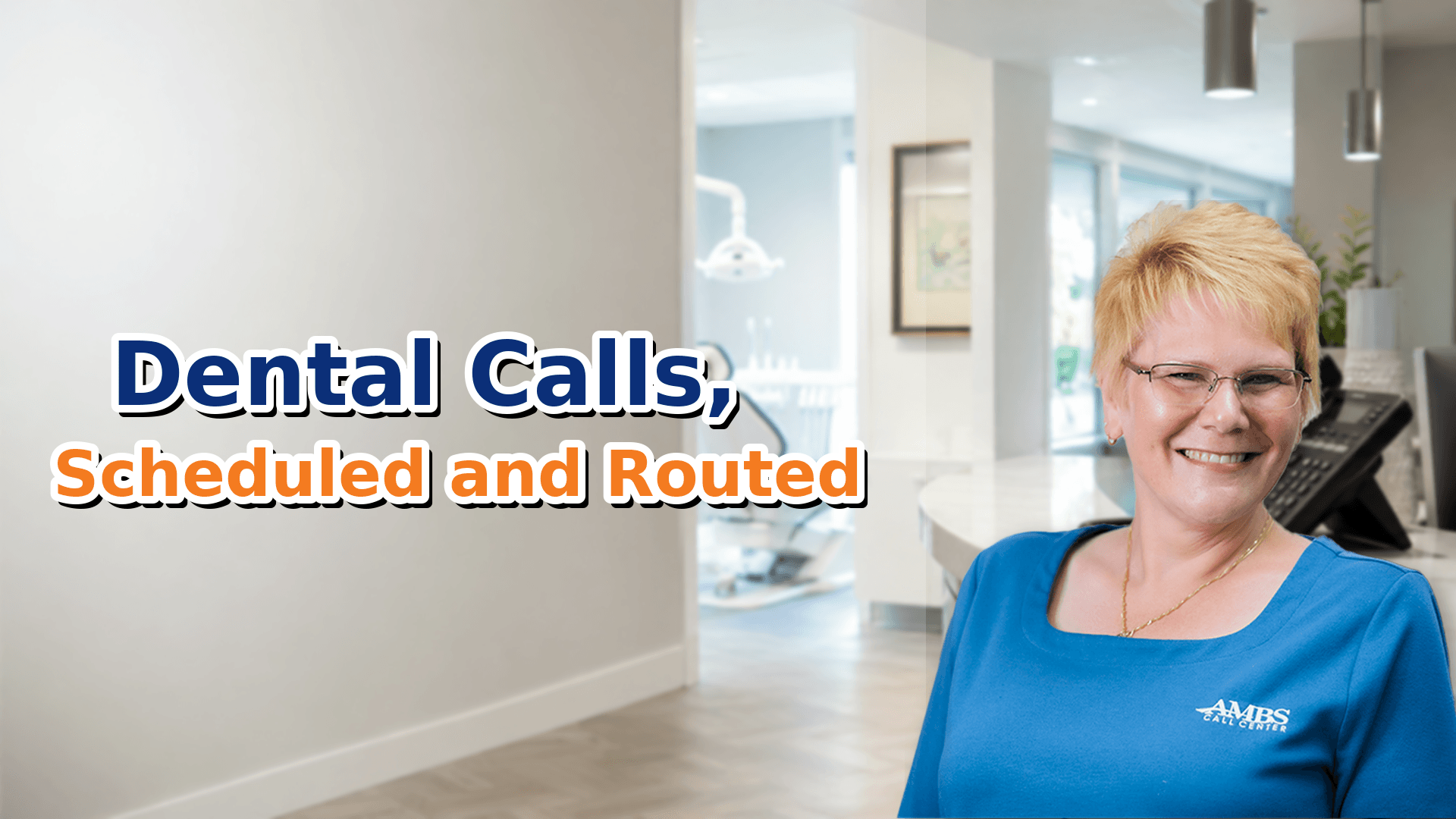
A dental answering service gives dentists & dental office managers a clear way to handle calls when the usual team is busy, off site, or closed. The goal is simple: learn why the caller reached out, collect the right facts, and move the call to the next approved step.
In practical terms, this service follows your greeting, questions, schedules, routing rules, and message standards. It can support routine requests and urgent calls without asking every caller to wait for a callback. It should never replace professional judgment or make promises outside your written process.
How Answering Service for Dental Practices Works
The best call flow starts with the work, not the phone system. List the calls you receive, decide which details matter, and define what a completed next step looks like. Then train and test the answering team against real examples.
- Appointment booking: Use provider, treatment, duration, new-patient, insurance, and scheduling rules set by the practice.
- Recall support: Handle hygiene and follow-up calls with approved lists, consent, and patient preferences.
- Emergency triage: Follow practice protocols and connect urgent cases to the dentist or on-call contact; agents do not diagnose.
- HIPAA safeguards: Limit access, use secure delivery, and train agents on protected health information.
The ADA advises dental practices to plan how patients of record can reach help for after-hours emergencies. See American Dental Association emergency treatment guidance for more information on this.
Ambs Call Center publicly documents dental answering service support related to this topic. We can follow custom instructions, route messages, and help extend coverage, subject to the final service design agreed for your account.
Appointment booking for a dental office answering service
Use provider, treatment, duration, new-patient, insurance, and scheduling rules set by the practice. Start by writing the trigger in plain language. Include examples that fit the rule and examples that do not. That makes training easier and reduces judgment calls during a busy shift.
Information to Capture
Keep the intake short enough for a real phone call. Ask for the caller's name, best callback number, location or account, reason for the call, timing, and any field needed for this call type. Repeat names, numbers, addresses, and dates before ending the call.
What Happens Next
Choose one clear action: answer from approved information, book an allowed time, take a complete message, transfer the call, or start the escalation path. State what the caller can expect without promising an arrival, outcome, or response time that your team has not approved.
Recall support for a dental appointment answering
Handle hygiene and follow-up calls with approved lists, consent, and patient preferences. Start by writing the trigger in plain language. Include examples that fit the rule and examples that do not. That makes training easier and reduces judgment calls during a busy shift.
Information to Capture
Keep the intake short enough for a real phone call. Ask for the caller's name, best callback number, location or account, reason for the call, timing, and any field needed for this call type. Repeat names, numbers, addresses, and dates before ending the call.
What Happens Next
Choose one clear action: answer from approved information, book an allowed time, take a complete message, transfer the call, or start the escalation path. State what the caller can expect without promising an arrival, outcome, or response time that your team has not approved.

Emergency triage for a dental office answering service
Follow practice protocols and connect urgent cases to the dentist or on-call contact; agents do not diagnose. Start by writing the trigger in plain language. Include examples that fit the rule and examples that do not. That makes training easier and reduces judgment calls during a busy shift.
Information to Capture
Keep the intake short enough for a real phone call. Ask for the caller's name, best callback number, location or account, reason for the call, timing, and any field needed for this call type. Repeat names, numbers, addresses, and dates before ending the call.
What Happens Next
Choose one clear action: answer from approved information, book an allowed time, take a complete message, transfer the call, or start the escalation path. State what the caller can expect without promising an arrival, outcome, or response time that your team has not approved.
HIPAA safeguards for a dental appointment answering
Limit access, use secure delivery, and train agents on protected health information. Start by writing the trigger in plain language. Include examples that fit the rule and examples that do not. That makes training easier and reduces judgment calls during a busy shift.
Information to Capture
Keep the intake short enough for a real phone call. Ask for the caller's name, best callback number, location or account, reason for the call, timing, and any field needed for this call type. Repeat names, numbers, addresses, and dates before ending the call.
What Happens Next
Choose one clear action: answer from approved information, book an allowed time, take a complete message, transfer the call, or start the escalation path. State what the caller can expect without promising an arrival, outcome, or response time that your team has not approved.
Set Up the Call Flow Step by Step
- Map call types. Review two to four weeks of calls and group them by purpose, urgency, location, and owner.
- Write the greeting and questions. Use short prompts in the order a normal conversation follows.
- Define actions. Mark which calls get answered, booked, messaged, transferred, or escalated.
- Add time and location rules. Separate business hours, after-hours, weekends, holidays, branches, and service areas.
- Test exceptions. Include wrong numbers, repeat callers, upset callers, language needs, no-answer transfers, and incomplete information.
- Review results. Audit messages and outcomes weekly at first, then on a steady schedule.
Connect the flow to the team's normal work. The related Hipaa compliant answering service page gives more detail on a supporting capability or workflow from the brief.
Costs, Capacity, and Return
Price depends on call volume, handle time, hours, script complexity, transfers, dispatch, scheduling, reporting, language needs, and integration work. Ask how short calls, spam, hold time, patch time, holidays, and overages are billed. Use a recent call sample to compare plans.
Measure return with business outcomes. Track qualified calls captured, appointments booked, urgent calls acknowledged, messages accepted, follow-up time, and revenue connected to phone leads. Also count time returned to staff. A service can be valuable even when a call does not create a sale, such as when it prevents duplicate work or sends a safety issue to the right person.
Quality Checks Before Go-Live
- Agents use the full business name and an approved greeting.
- Required names, numbers, addresses, dates, and spellings are repeated back.
- Routine, urgent, emergency, and out-of-scope calls have different paths.
- Primary and backup contacts have response windows and confirmation steps.
- Messages reach only approved people through approved channels.
- Scripts, schedules, FAQs, and contact lists have named owners and review dates.
- Reports connect call activity to appointments, cases, tickets, jobs, or resolutions.
Use Real Calls to Improve the Process
Do not treat the first script as finished. Review a mix of routine, urgent, transferred, and incomplete calls. Ask whether the agent had the right information, whether the next person received enough context, and whether the caller heard a clear expectation. Fix the rule, field, or handoff that caused the problem. Look at patterns by hour, day, call type, location, and outcome. A high-volume question may belong in the approved FAQ. A repeated transfer failure may need a new backup. A long intake may need fewer fields. Small changes made from real evidence usually improve both caller experience and cost control.
Frequently Asked Questions
What does a dental answering service handle?
It can answer in your business name, collect approved details, take messages, book allowed appointments, route calls, and escalate urgent situations. The exact scope depends on your script, systems, hours, and service agreement.
Can coverage start after hours only?
Yes. Many teams begin with a known gap such as nights, weekends, meetings, or overflow. They expand after reviewing call volume, outcomes, and message quality.
How are urgent calls handled?
You define urgent call types, required questions, primary and backup contacts, attempt timing, and proof of acknowledgment. Agents follow that path and should not invent a diagnosis or promise.
Can scripts change after launch?
Yes. Review them after real calls and update changes to hours, services, staff, locations, prices, policies, and escalation contacts through the approved process.
How do we know the service is working?
Use call logs, message audits, transfer results, booking outcomes, escalation acknowledgments, lead follow-up time, and customer feedback. Look for patterns by hour, call type, and location.
Build the Right Call Plan With Ambs Call Center
A strong dental answering service should feel like a well-run part of your operation. Ambs Call Center can help you turn call types, schedules, message fields, and escalation rules into a tested workflow. We use a natural mix of trained people, documented processes, and the delivery tools selected for the account.
Explore the related Appointment scheduling resource, then bring a recent call sample and your on-call rules to the planning conversation. We can help you see where live coverage fits and which calls should stay with your internal team.